Well, I finally did it. I pressed the “Submit for Review” button in App Store Connect and handed months of my spare time over to be judged and argued with.
Then I sat there for a minute. That button took me 45 years to find.
The Kid at Showbiz Pizza
I was a kid when the home computer arrived, and we had one long before that was normal. Long enough ago that I hauled it to show-and-tell once, because nobody at school had any idea what it was.
But the computer wasn’t where I fell for games. That happened in the arcade at a Showbiz Pizza, standing in front of a Defender cabinet. I was terrible at it. It didn’t matter. It was the flashing lights, the frantic back-and-forth of a side-scroller, a dozen things demanding your attention at once. I could lose hours in there. Days, if my parents had let me.
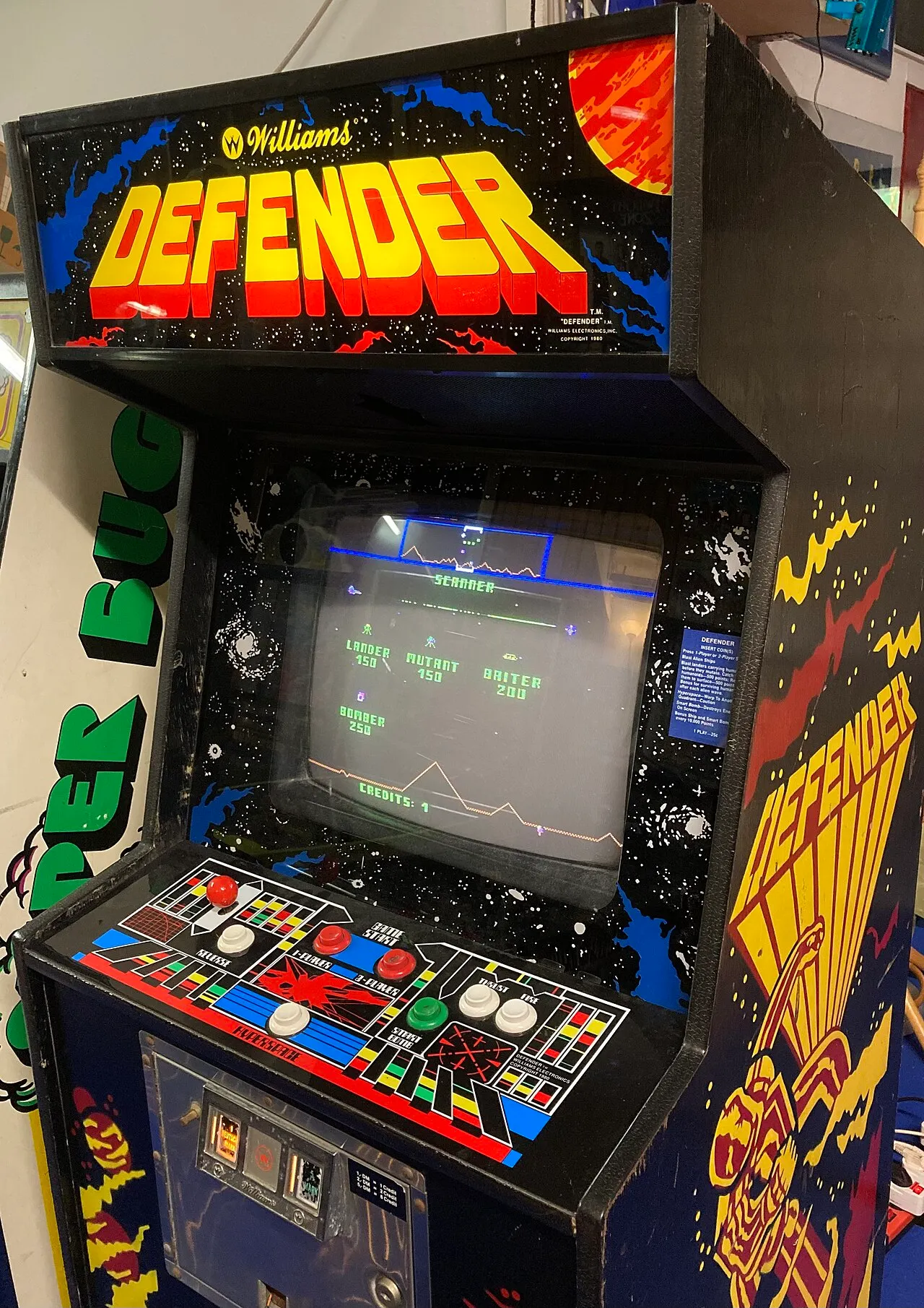
Defender (Williams, 1981). Photo: VMzB, CC BY-SA 4.0.

Back home, the personal computer was starting to get games worth playing. I began with Zork and its cousins: text adventures where you typed what you wanted to do and imagined the graphics yourself. Then games with actual pictures arrived, and one of them stuck.
Rescue Raiders had everything I loved about Defender: the side-scrolling, the flying, the constant pressure. But underneath, it was a strategy game. You won by out-thinking the enemy, not by mashing buttons faster than they did, and I couldn’t put it down. The storyline was awful. I skipped it and just worked the levels, trying tactic after tactic to beat the other side.
Better graphics and deeper games came along and pulled me with them. But you don’t forget your first love.
The Career I Chose Instead
I’ve been writing code since I was eight, BASIC on an Apple II. You’d think games would have been the obvious path.
I went the other way on purpose. Friends of mine took jobs at the big studios, and I watched what that life was: chained to a desk sixteen hours a day, crunching toward a release. I was pretty sure it would ruin games for me. So I built a career in everything else: business software, embedded systems, odd corners of industry, crypto. That was the day job. Games stayed what they were supposed to be, which was the fun part.
For a long time, that arrangement held.
What My Son Did
Last year my son hit senior year with nothing left to do. He’d front-loaded the hard classes, so he was out by lunch every day with the whole afternoon to fill. He’d also just come through the college application grind, and he figured everyone behind him was about to go through it too. So he set out to turn the whole experience into a service: picking schools, writing the essays, keeping track of what each one wanted. That became admit.college.
I watched him do it and started thinking about my own afternoons.
Something has shifted in games, and I’d been noticing it. There’s a real resurgence of titles that put play first and let the graphics be whatever they need to be. Minecraft is the obvious example. It isn’t graphically complicated, but people keep coming back to it because playing it is fun, and that turns out to be enough. Watching that happen sent me back through the games of my own childhood, wondering which of them had ideas worth picking back up.
One of them, obviously, was that flying strategy game I couldn’t put down at twelve.
So I Made One
Raid & Rescue is a modern take on it: side-scrolling, flying, and, the part that matters, you win with your head and not your thumbs. Built nights and weekends by a guy who spent a career deliberately not making games.
For the developers reading, a little about what’s inside. It’s Swift and SpriteKit with no engine. The whole battle is a deterministic simulation ticking sixty times a second, and the graphics just watch it. That decision paid off in a way I didn’t expect: I can run thousands of battles overnight with no screen attached and see exactly how the enemy commander behaves. Which turned out to matter, because that commander became the hardest problem in the project. An AI that simply plays badly on easy feels broken. One that plays well on hard feels unfair. Getting it to lose convincingly at one end and fight dirty at the other, and letting it teach itself the difference, is a post of its own.
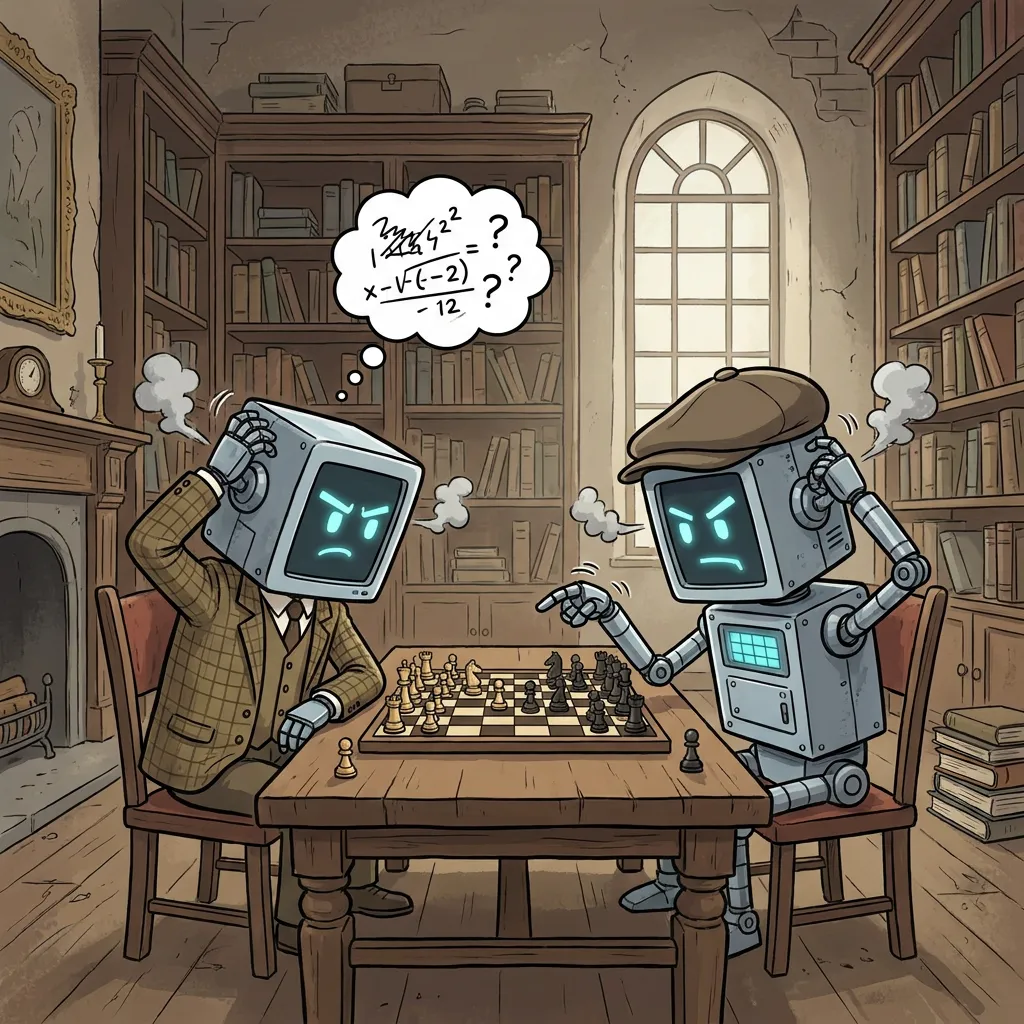
Two AI commanders, thousands of battles a night, and neither one happy about it.
Now We Wait
One tip before you play: your missiles can be shot down. So can theirs. Keep that in mind the first time one comes at you.
So. The button is pressed. While Apple’s review team makes up its mind, I have a question for you: what classic 80s game do you still think about? There’s a box below. I’m collecting ideas for what comes after this one.
More soon. The next big leap is already on the drawing board: letting you fly against another player instead of the machine.